
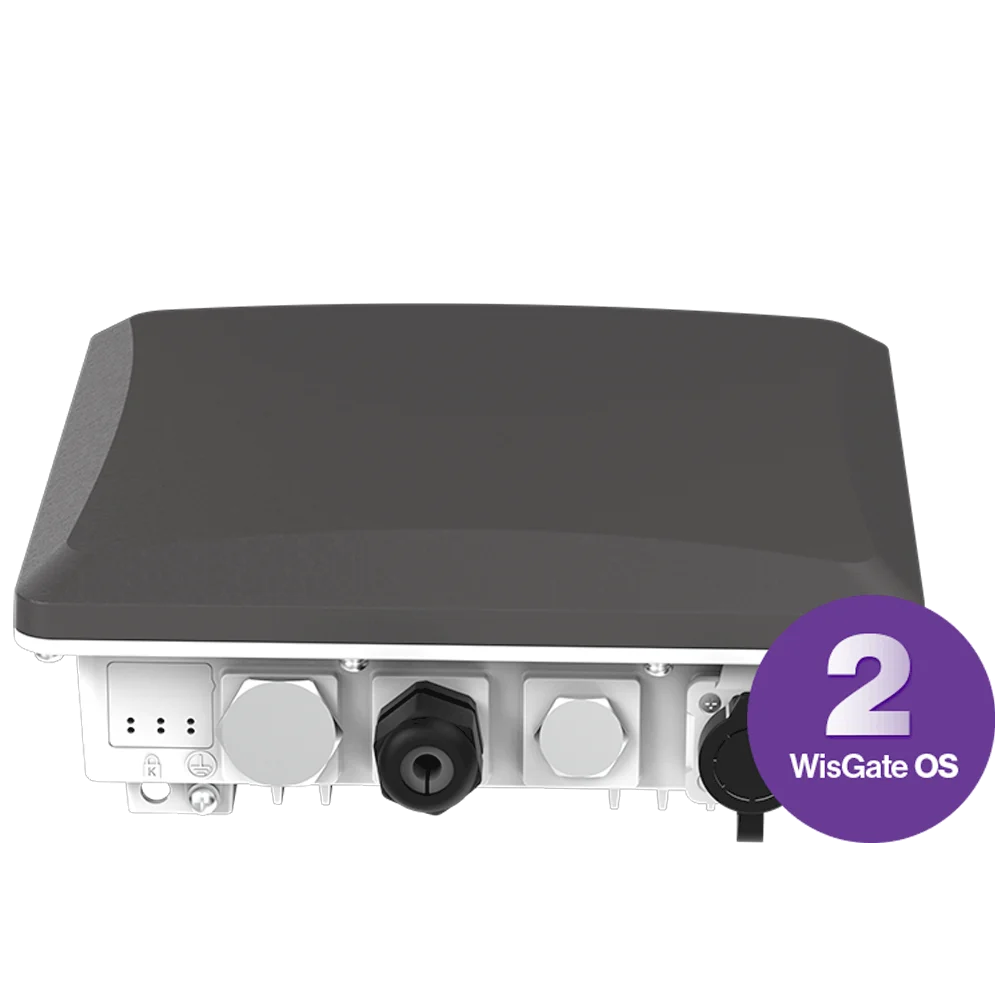
Select the exact hardware variant
RAK’s current overview covers RAK7289V2 and RAK7289CV2. The CV2 variant adds the optional LTE connection. Keep that distinction in the quotation, installation record and spare-parts list.
- Instrument path
- LoRaWAN, up to 16-channel options
- Network connection
- Ethernet, Wi-Fi; LTE on CV2
- Power
- PoE or regulated 12 V DC
- Configuration check
- LTE requires RAK7289CV2. Confirm concentrator option.
The manufacturer describes options with up to sixteen LoRa channels, an IP67 enclosure, Ethernet and Wi-Fi connectivity. The channel configuration and regional radio band need explicit selection. An advertised maximum describes the available family configuration rather than every shipped unit.
Match the sensor nodes to the appropriate regional network plan. Confirm antenna connectors, mounting hardware and the accessories required to seal cable entries. An inventory should identify each node, its LoRaWAN credentials and its message format.
Separate radio reception from usable records
A gateway receives radio messages, while network and application services manage the devices and interpret their payloads. RAK lists an embedded network server, WisGateOS 2 and centralized management through WisDM. Choose the supported deployment mode before commissioning.
The overview also describes MQTT bridging with TLS and buffering of LoRa frames in packet-forwarder mode during a network-server outage. Check configuration-specific limits and recovery behavior with the applicable manual. Buffering radio frames is only one part of preserving a complete measurement record.
Useful commissioning checks include node identity, decoded values, timestamps, application delivery and behavior after a gateway restart. Record how the system indicates a missing node or an interrupted internet connection.
Use an approved regulated supply
The product documentation lists PoE and 12 V DC power options. Its overview also contains a warning that solar chargers may supply damaging overvoltage. Obtain the supplier’s approved power arrangement for the exact gateway variant.
A remote installation needs an energy budget for the gateway, network connection and any auxiliary equipment. Include the least favorable season, usable battery capacity, conversion losses and the permitted charging and input-voltage ranges. These quantities determine whether the system can operate through the planned service interval.
Do not assume that a solar panel or charger can be connected directly. Specify the regulated equipment and protection approved for the delivered gateway.
Design the radio path and physical installation
Mount the antenna where it serves the intended sensor positions and where the hardware can be maintained. Check pole stability, cable routing, connectors, grounding and surge protection against the installation instructions. An enclosure rating applies within the installed conditions defined by its manufacturer.
Survey representative nodes at their real mounting positions. Dense vegetation, terrain and structures can affect reception. Retain measurements from the survey so later maintenance teams can distinguish a radio change from a sensor fault.
For alarms or control, define the permitted delay and loss of connectivity. LoRaWAN is suited to small observation messages; any local actuator function requires a separately verified timing and fault-state design.
Compare the instrument architecture
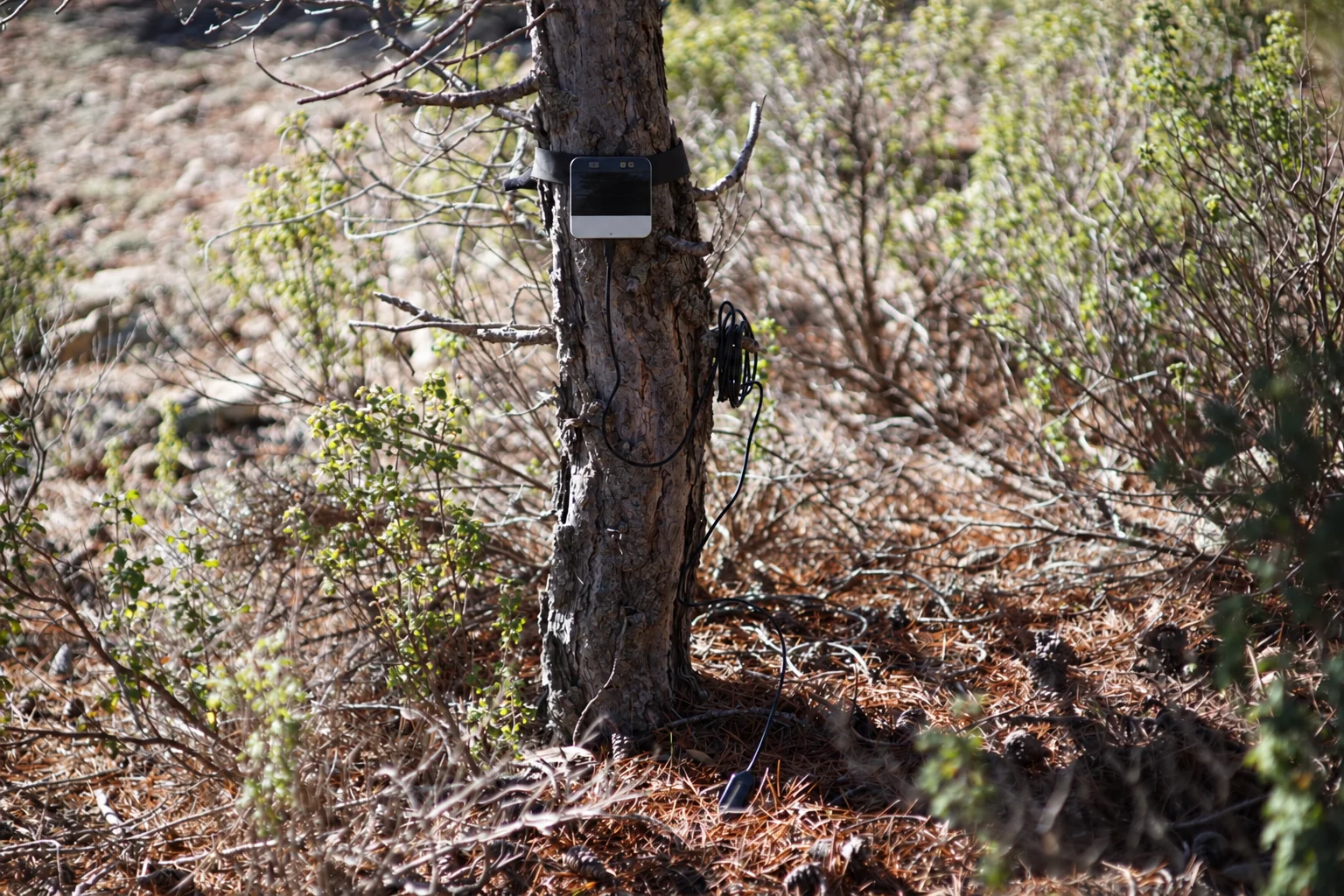
Pulse is our first modular candidate for combining environmental instrument interfaces at one site. WisGate Edge Pro V2 is a candidate for receiving messages from a distributed LoRaWAN node network. A sensor named as LoRa-compatible needs an explicit protocol check before it is included in either architecture.
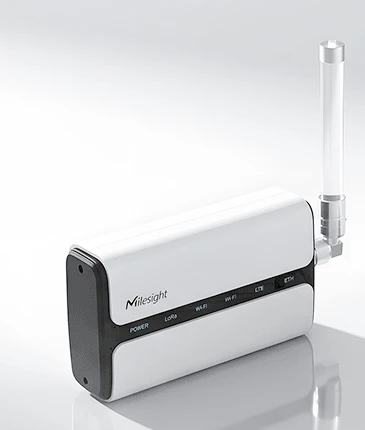
For indoor LoRaWAN coverage, consider UG65. For field instruments already wired to a mast or logger position, review Pulse and its selected modules. For an existing RS485 device reached over cellular, review Teltonika TRB145.
Choose WisGate Edge Pro V2 when its documented network role and outdoor configuration match the project, and the approved supply, server connection and node compatibility have been established. This is a documentation assessment; site coverage and operating reliability require commissioning evidence.
Open the RAK documentation ↗Source notes
Sources and references
Manufacturer and standards sources checked 13 October 2026. Specifications describe published configurations and may require options. Assessments are based on documentation.