
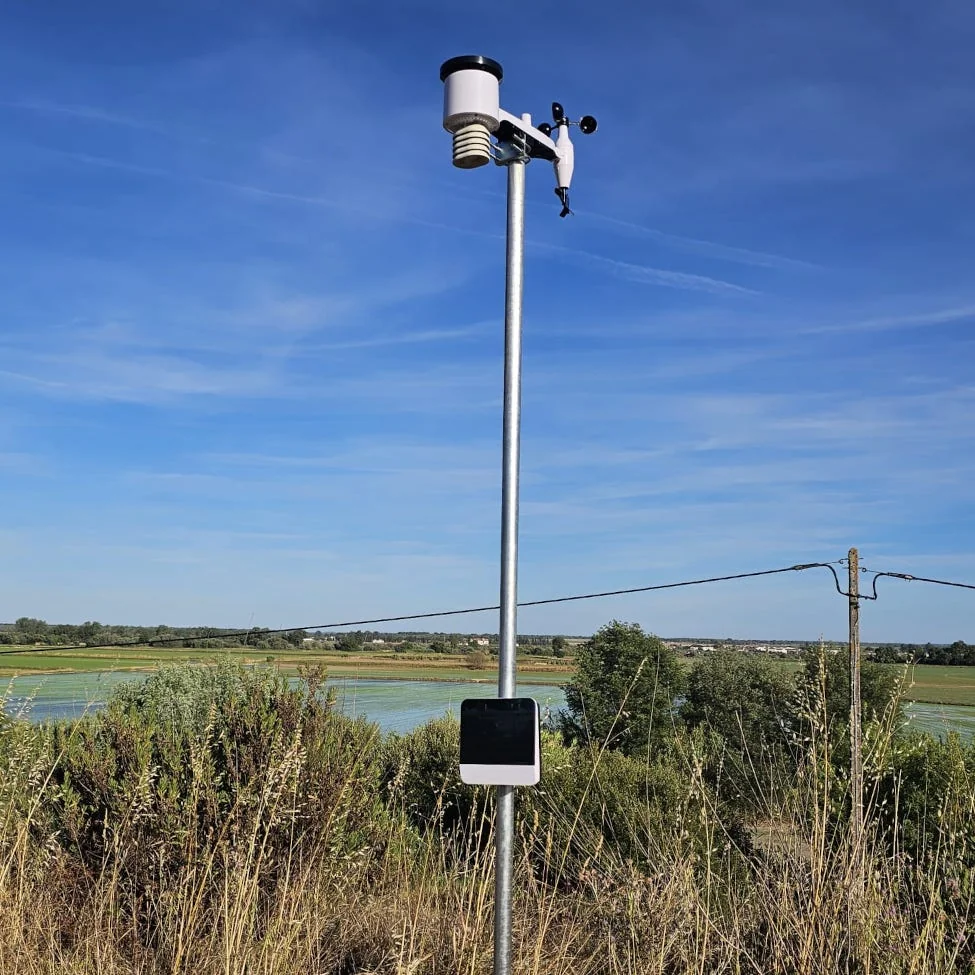
SKY WS connects through Pulse
The SKY WS listing describes temperature, humidity, solar radiation, rainfall, wind speed and wind direction measurements. Its configuration notes require a Pulse LoRa gateway and explicitly state that Terra Masters are incompatible.
Choose the station’s regional LoRa option and confirm it matches the gateway. The shop lists 868, 915 and 921 MHz choices, with some configurations subject to availability or pre-order. Confirm the radio option in the actual order and commissioning record.
Pulse is a suitable starting point for this station because the shop documents the required pairing. It can also be specified with functional sliding modules when wired instruments belong in the same project. Confirm the complete sensor list, reporting behavior and application service.
Check SKY Rain and SKY Wind separately
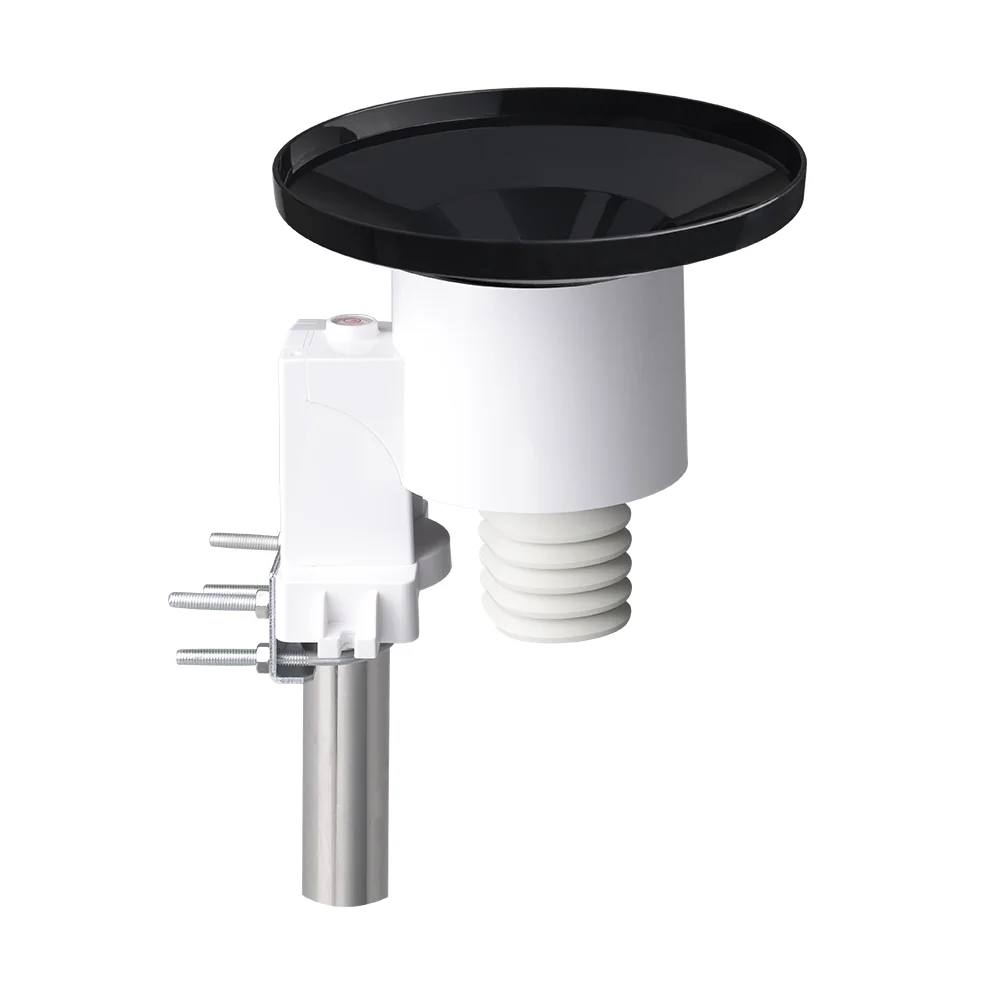
SKY Rain lists Pulse or Terra LoRa gateway compatibility. Its summary repeats a six-quantity all-in-one description, while its product diagram highlights rainfall, temperature and humidity. Obtain a model-specific measurement list before relying on onboard wind or solar-radiation outputs.
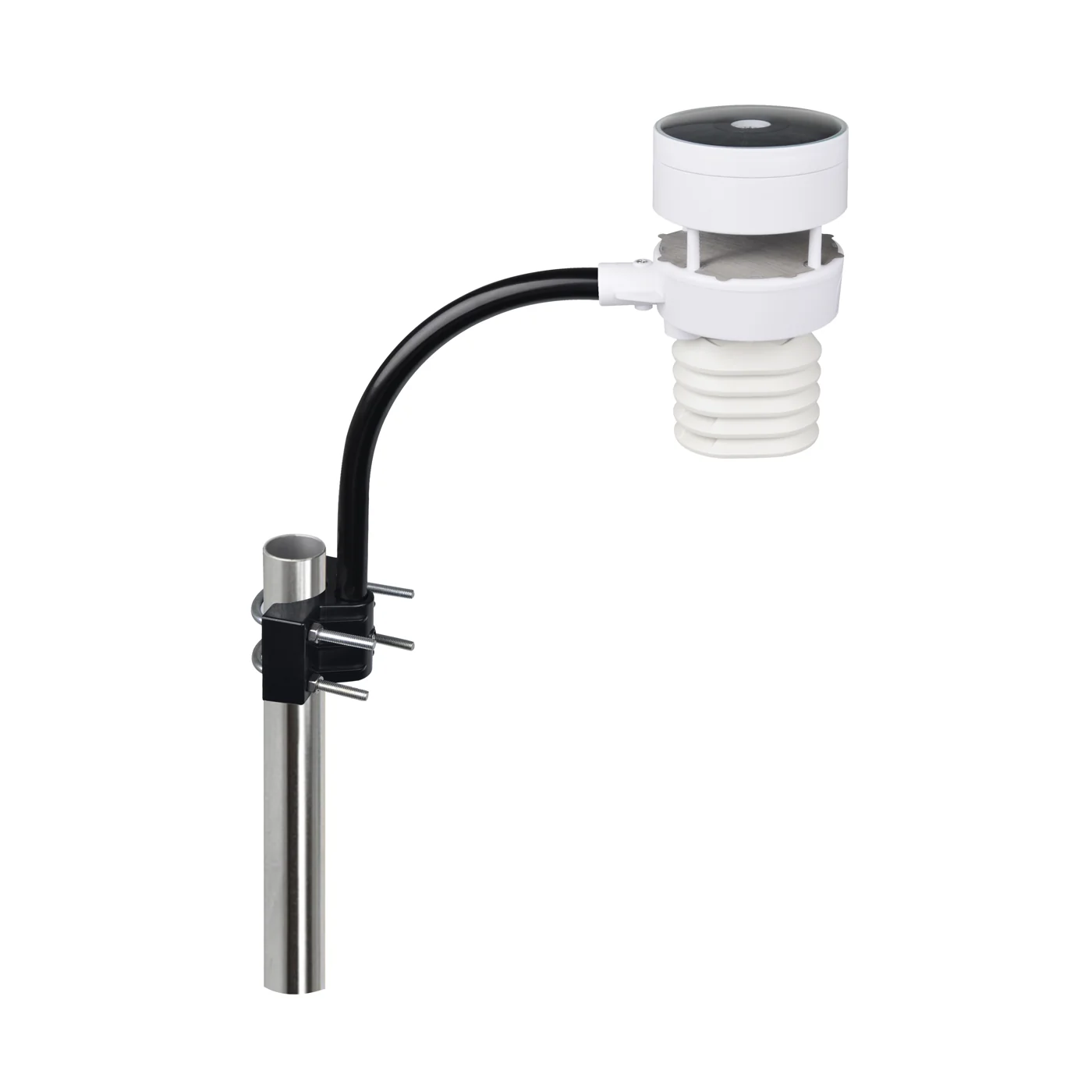
SKY Wind’s shop description lists temperature, humidity, solar radiation, wind speed and wind direction. The unit lists Pulse or Terra gateway compatibility. Include a separate rainfall instrument when rainfall is part of the measurement requirement, and confirm the complete supplied configuration.
The SKY products are described as LoRa devices in the shop. Compatibility with a generic LoRaWAN gateway has not been established here. Confirm the supported protocol and pairing method before substituting a different gateway.
Compare wired weather instruments
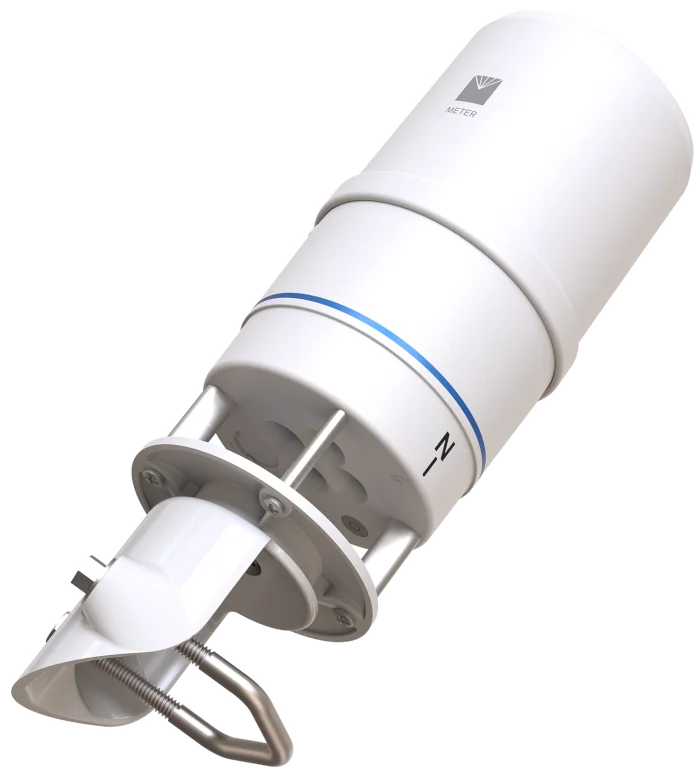
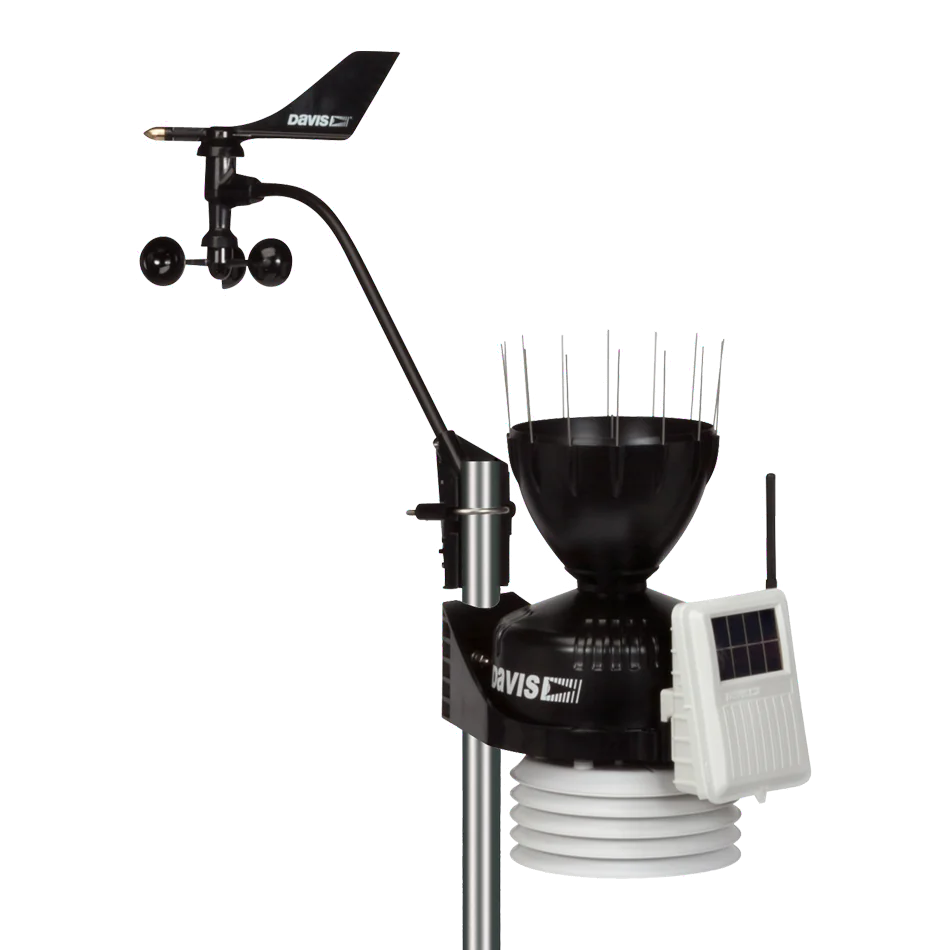
METER ATMOS 41 and Davis Vantage Pro represent alternative instrument paths in Deep Orbital’s weather catalog. Their sensor bodies, interfaces and gateway dependencies need individual review. A shared weather category does not establish a common electrical connection.
For each candidate, compare measured quantities, stated accuracy and test conditions, measurement interval, power supply, cable requirements and maintenance. Verify that the gateway returns the intended values with correct units and timestamps.
A wired station can be attractive when several instruments share a local mast and power system. Distributed wireless nodes require radio coverage and compatible network infrastructure. Match that architecture to the installation’s service access and existing equipment.
Site the measurements for their purpose
Temperature readings can be influenced by heated surfaces, shading and restricted airflow. Rain-gauge exposure can be affected by nearby structures and wind. National Weather Service guidance emphasizes representative exposure and avoiding isolated obstructions around a precipitation gauge.
Use the station manufacturer’s mounting requirements and the relevant measurement program’s siting guidance. A convenient roof, field edge or mast may have an exposure different from the conditions the project intends to observe. Record that context with the station metadata.
Plan access for cleaning, leveling, inspection and replacement. Rain collectors need an appropriate debris and obstruction check. Confirm the specified maintenance for wind and radiation sensing, connectors and power equipment. Retain a record of each visit.
Preserve the meaning of each observation
Rainfall accumulation is commonly stored in millimeters over a specified interval. Wind speed may be reported in m/s, with a separate gust statistic. Temperature uses a stated unit and sampling interval; relative humidity is expressed in percent. Confirm each station’s actual output definitions.
For example, twelve 0.2 mm increments represent 2.4 mm of accumulated precipitation if the instrument’s documented increment is 0.2 mm. Record the interval and reset behavior with that total. This arithmetic does not establish the instrument’s accuracy or precipitation-capture performance.
Separate sampling from transmission. Check whether a transmitted record contains the latest value, an average, a maximum or an accumulation. Verify the original measurement timestamps and the treatment of records delivered after an internet outage.
Ask for a complete weather-system quote
Include the station, gateway, regional radio, power equipment, mounting hardware, any cables or sliding modules, service subscription and installation. The instrument’s shop price covers its listed package; it does not establish the installed-system cost.
For SKY WS, specify Pulse in the quotation. For SKY Rain and SKY Wind, specify the supported gateway and matching radio. For wired instruments, request a supported model-and-driver combination with an example record containing every required quantity.
Explore the Pulse connection ↗Source notes
Sources and references
Manufacturer and standards sources checked 13 October 2026. Specifications describe published configurations and may require options. Assessments are based on documentation.