
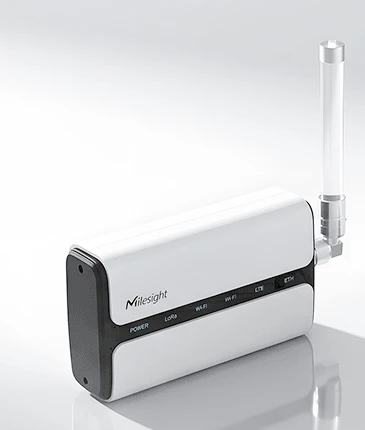
A gateway for LoRaWAN sensor nodes
A LoRaWAN installation contains sensor nodes, radio coverage, a network server and an application that interprets measurements. UG65 provides the gateway portion and offers an embedded network server. Its role is useful when temperature, humidity, occupancy or metering nodes are distributed around a building.
Before specifying it, check the node’s LoRaWAN support, regional frequency band and payload documentation. The application must decode the messages into the intended quantities and units. Choose how nodes are provisioned and who maintains the network-server configuration.
The same building can contain wired instruments with a different integration path. A dedicated sensor gateway or interface converter may be needed alongside the radio gateway. Include those components in the system drawing and quotation.
Internet connections and power options
- Instrument path
- LoRaWAN sensor network
- Network connection
- Ethernet, Wi-Fi; optional LTE
- Power
- PoE, DC or USB-C
- Configuration check
- Choose the regional radio band and cellular variant.
Milesight lists an eight-channel LoRaWAN interface, Ethernet, 2.4 GHz Wi-Fi and an optional LTE interface. LTE belongs to the selected hardware configuration. Check the modem region and operator requirements with the supplier.
The published power options are 802.3af Power over Ethernet, DC input and USB-C. PoE can simplify installation by carrying power and network traffic over the same cable when the network equipment is compatible. Confirm the switch or injector rating and the installed cable path.
The enclosure is rated IP65 in the current product page. The operating environment, cable entry and mounting arrangement still need to match the manufacturer’s installation requirements. For a fully exposed outdoor location, evaluate a dedicated outdoor gateway and its accessories.
Coverage depends on the building
Choose the mounting location after checking representative sensor positions. Concrete walls, metal equipment, risers and basement rooms can change the radio path. Survey actual message reception across the site and document weak locations before expanding the network.
A nominal device-capacity claim depends on message frequency and network conditions. Estimate the number of nodes, reporting interval, payload size and downlink requirements. Keep capacity assumptions separate from the result of a site survey.
For monitoring, delayed observations may be acceptable within the application’s requirements. A control function must have an explicit response-time and outage design. Document which actions continue locally and which require the application service.
Plan the application connection
The product page lists integration options and support for development tools, including Node-RED and a Python SDK. Confirm which functions exist in the delivered firmware and how the chosen application authenticates its connection.
For every observation, preserve the node identity, measurement time, unit and quality status. Confirm what the system does when the internet link is unavailable and how queued records reach the application after recovery. Check the relevant packet-forwarder mode because buffering behavior can vary.
Assign responsibility for node keys, gateway credentials, firmware updates and configuration backups. Test the supported remote-management path and make sure someone can service the hardware on site.
UG65, Pulse and outdoor network gateways

Mixed instrument connections
Pulse belongs on the shortlist when the project combines wired environmental instruments and module-based expansion. UG65 centers on a LoRaWAN node network. Choose between them from the installed devices and the required application path.
Explore the Pulse review ↗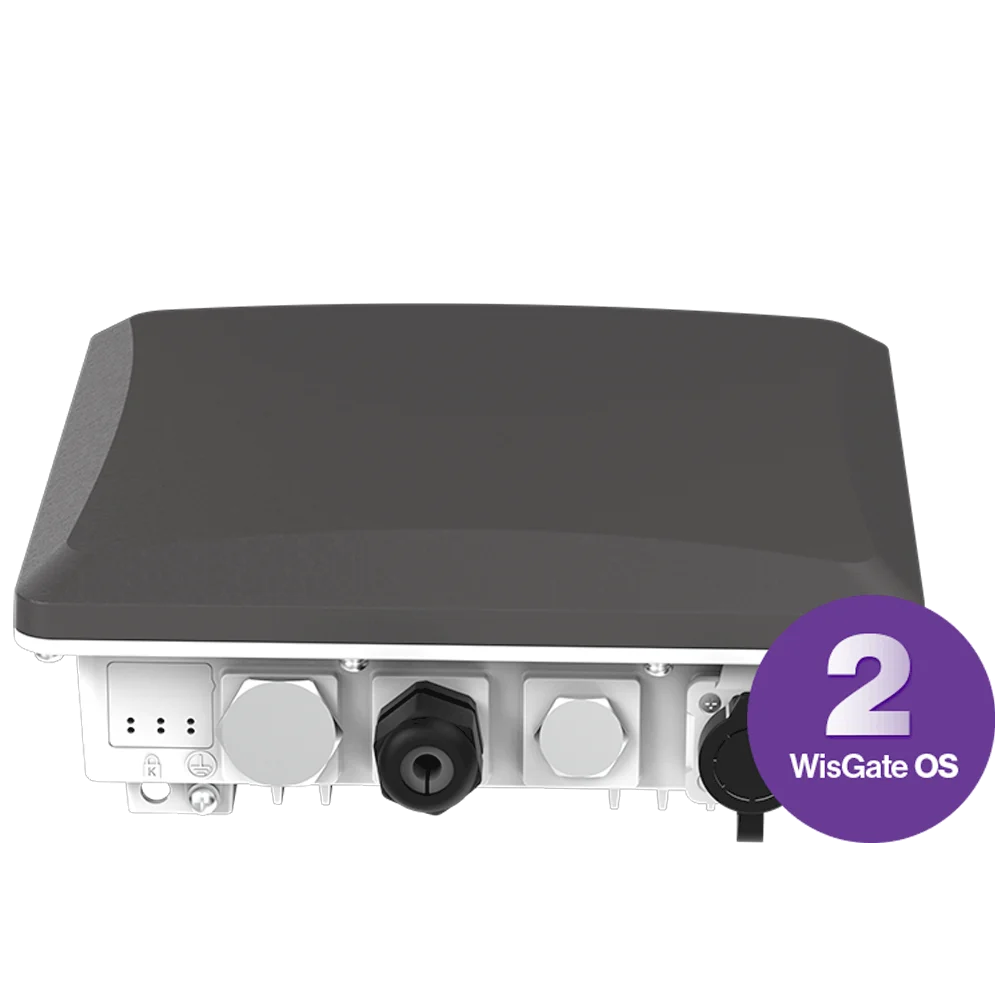
UG65 is a well-defined candidate for an indoor wireless monitoring network with compatible nodes and a supported server connection. An outdoor installation points toward a gateway such as WisGate Edge Pro V2. Mixed wired sensor integration points toward a modular system such as Pulse.
This assessment uses manufacturer documentation. It does not establish measured coverage, message delivery or long-term reliability at a particular site. A supplier-supported configuration and an installation survey remain part of selection.
View manufacturer specifications ↗Source notes
Sources and references
Manufacturer and standards sources checked 13 October 2026. Specifications describe published configurations and may require options. Assessments are based on documentation.