
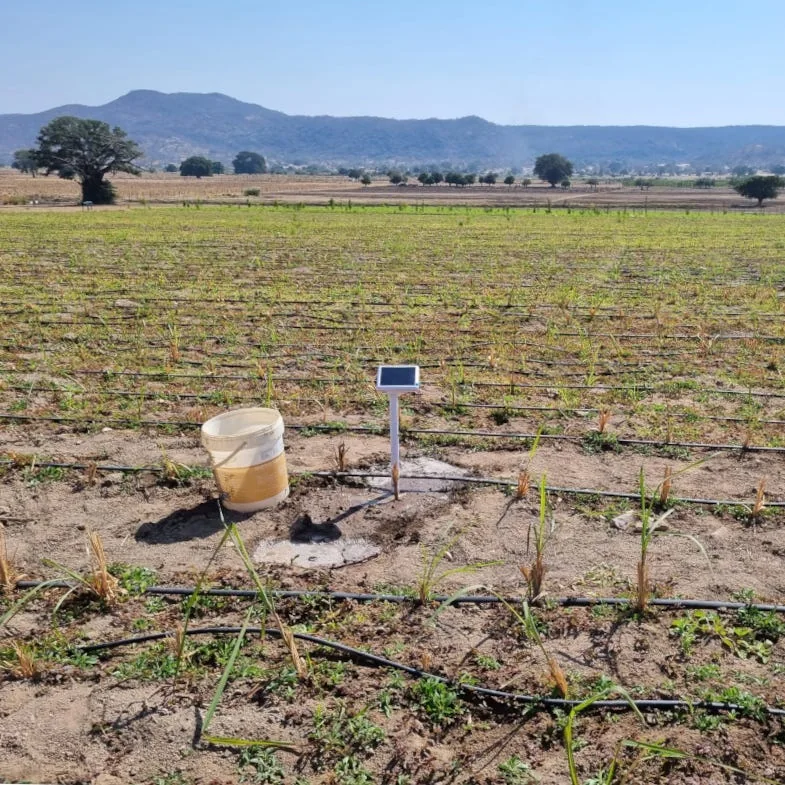
Radio technology and protocol
LoRa is a radio modulation technology used for low-power, long-range communication. LoRaWAN defines a networking protocol and architecture for compatible devices using this radio technology. A device described as LoRa is therefore not automatically a LoRaWAN device.
This distinction affects procurement. A radio receiver and a sensor may share a frequency band but use different message formats, authentication and network procedures. Confirm the stated protocol, regional configuration and supported infrastructure for the exact product. Similar radio specifications do not establish interoperability.
LoRaWAN network components
A typical LoRaWAN system includes end devices, one or more concentrator gateways, a network server and an application. The gateway receives radio messages and forwards them through an internet connection. Network services manage the device traffic and provide a path to the application that decodes measurements.
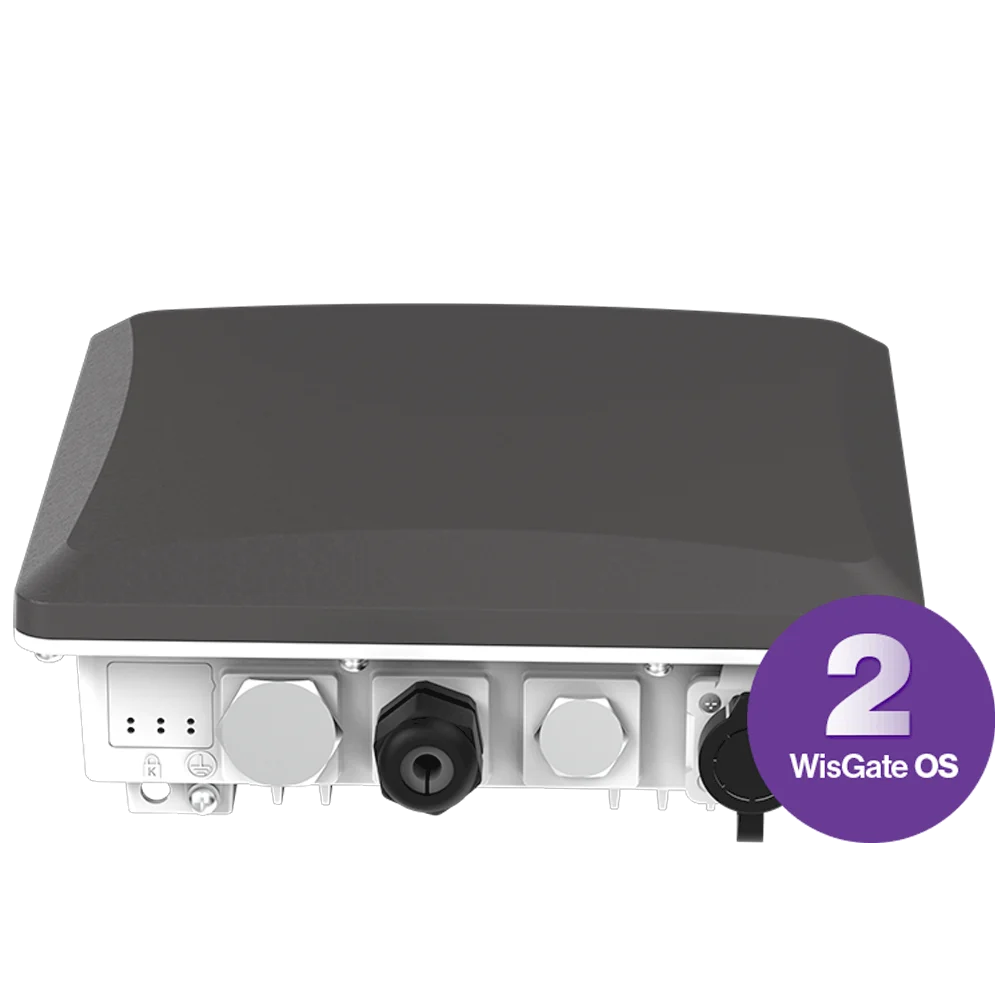
The RAK WisGate Edge Pro V2 family is an example of an outdoor LoRaWAN gateway. Its variants and concentrator options must be selected for the deployment. Ethernet or cellular service at the gateway does not change the radio protocol used by the end devices. A sensor still needs appropriate LoRaWAN provisioning and an application decoder.
Manufacturer-specific LoRa systems
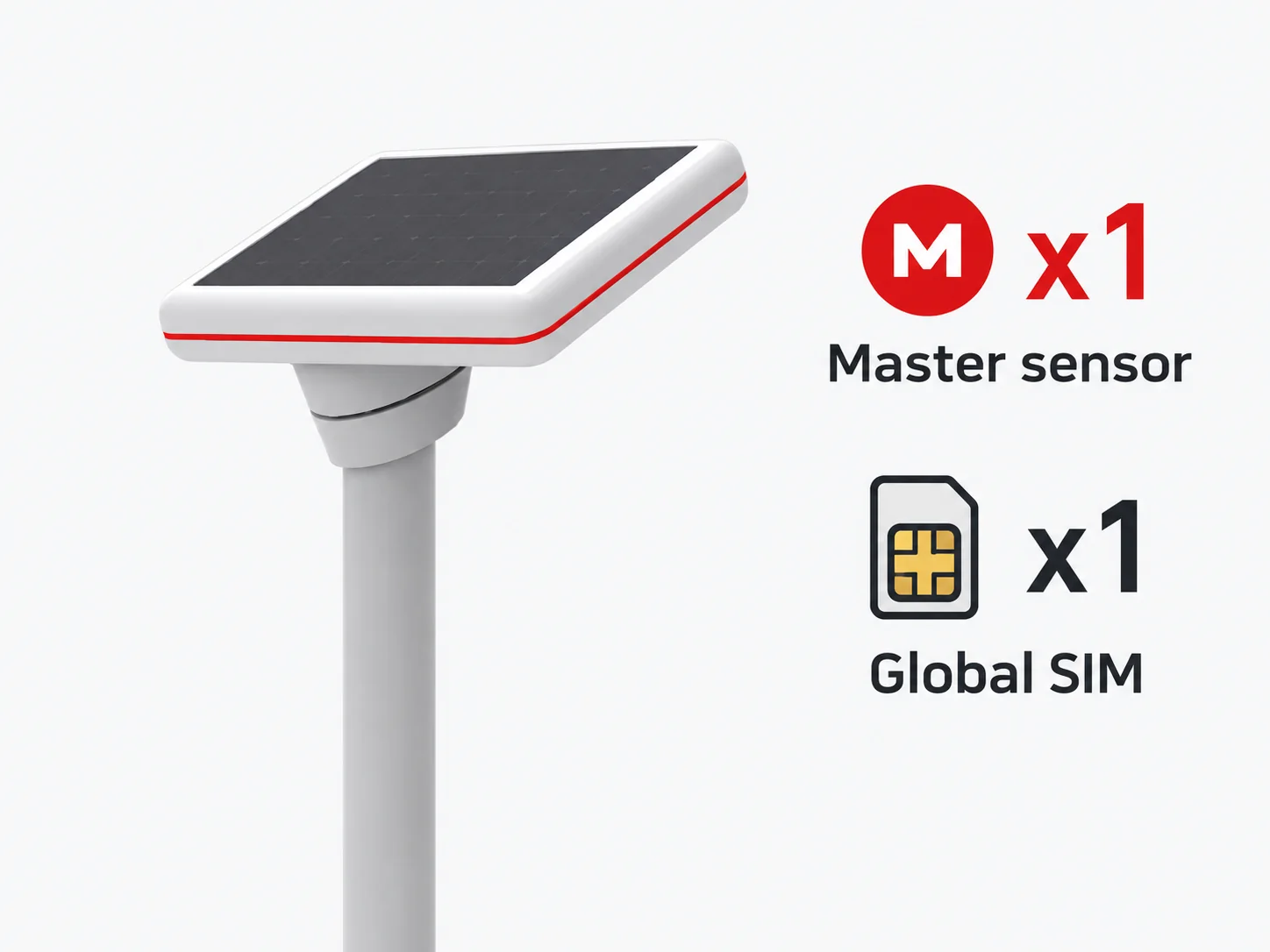
A manufacturer can use LoRa radio within its own device ecosystem. Pycno Terra Nodes communicate through compatible Terra Master infrastructure. The Master performs the cellular internet role. This arrangement should be evaluated as documented by Pycno rather than assumed to be interchangeable with any LoRaWAN concentrator.
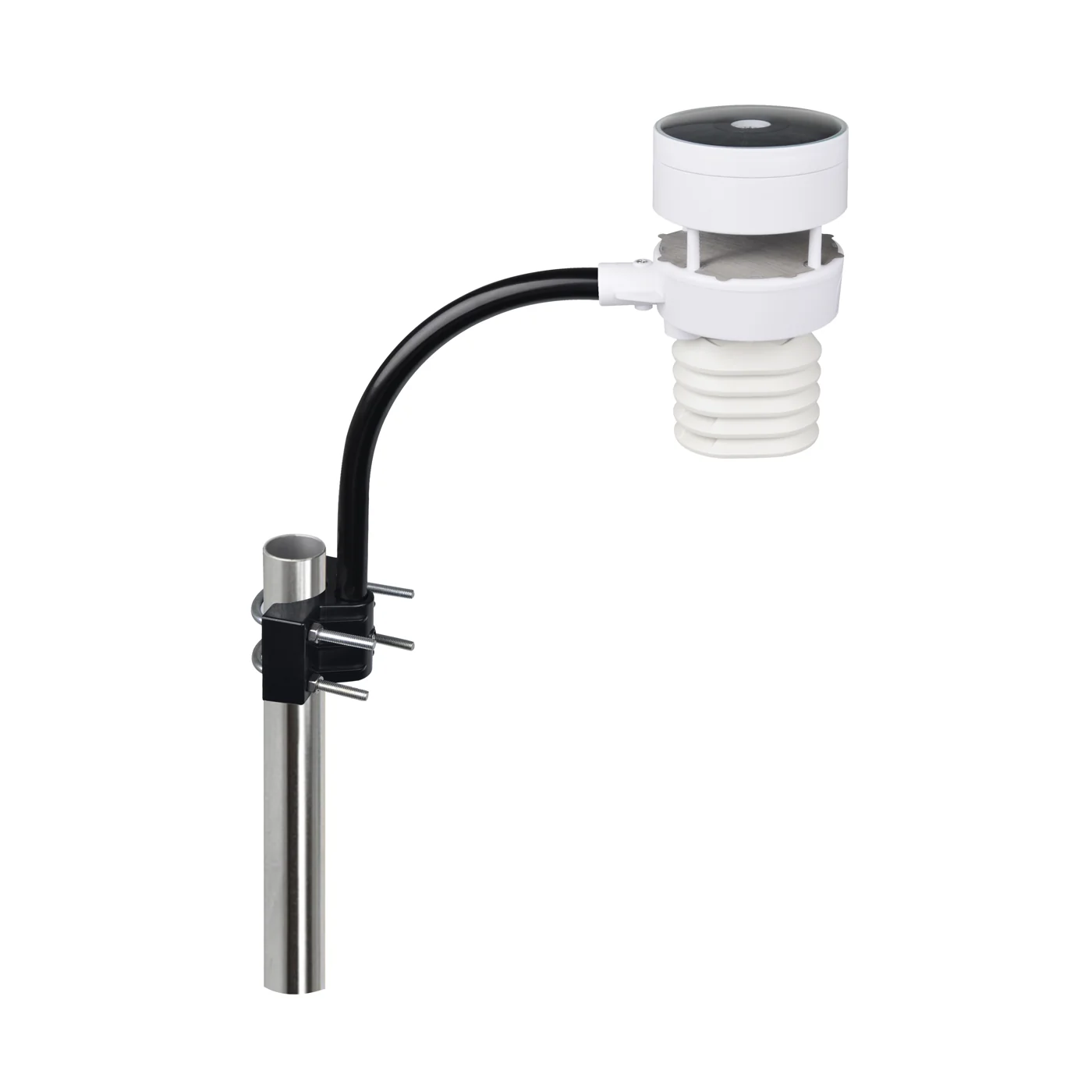
Deep Orbital SKY weather instruments also require compatible host equipment. The published SKY Wind and SKY Rain material describes use with Pulse or Terra. Check the exact instrument’s host requirements; compatibility stated for one SKY instrument does not establish compatibility for every radio sensor. Pulse is worth examining where these instruments need to coexist with wired sensing.
Radio region and site conditions
Radio operation depends on the applicable regional band and rules. Select matching devices and infrastructure for the installation territory. Do not treat a regional frequency choice as a software preference that can be ignored after ordering.
Published range figures are not site guarantees. Terrain, vegetation, buildings, antenna height and interference affect the received signal. Agricultural installations should be surveyed with the antenna in its intended position and with attention to seasonal crop growth. Evaluate reliable delivery and energy use under representative conditions rather than relying on a single successful transmission.
Measurements and transmission intervals
Low-power radio systems are suited to compact observations such as soil moisture, temperature, rainfall totals and battery state. They are not a replacement for video networking or a tightly timed safety control loop. Sampling and transmission can occur at different intervals; record which timestamp accompanies each observation.
Terra provides an integrated approach to soil monitoring, while SKY instruments address weather measurements. For mixed external instruments, Pulse’s two sliding module positions provide an additional local integration path. Select the system around the measurements and host compatibility rather than around the radio name alone.
Interoperability checks
Before purchase, obtain the precise protocol, regional radio configuration, supported host and provisioning procedure. For LoRaWAN, also obtain the device activation information and payload decoder required by the chosen server and application. For a manufacturer-specific system, confirm which gateway or Master receives and interprets its messages.
Document the complete data path and test an actual instrument. A useful trial includes mounting, message decoding, observation units, outage behavior and maintenance access. These checks help distinguish an open LoRaWAN deployment from an integrated sensor ecosystem without dismissing either architecture.