Local connections and internet access
An instrument interface and an internet connection serve different purposes. A gateway can read a wired sensor and upload through Wi-Fi or cellular service. A LoRaWAN gateway can receive radio messages and forward them through Ethernet. Specify these two sides of the installation separately.
Connection selection begins with the site: available infrastructure, operator responsibility, signal conditions, power and the importance of continuous delivery. No communications label establishes reliability on its own. Survey the intended mounting location and define acceptable outages before selecting equipment.
Ethernet
Ethernet provides a wired connection to an existing local network. It is useful at buildings and industrial sites where cable routes and network administration are available. Confirm switch access, cable length, connector protection, addressing and firewall policy with the network operator.
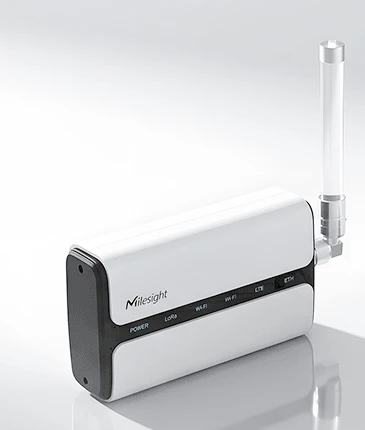
Power over Ethernet can simplify some installations, but requires compatible equipment at both ends. A gateway with an Ethernet socket does not necessarily support power through that socket. Milesight UG65 offers an Ethernet connection and PoE among its documented power options, making it a relevant example for indoor LoRaWAN infrastructure.
Wi-Fi
Wi-Fi connects through a local access point. Its practical coverage depends on walls, mounting position, antenna placement and interference. Check supported security settings and whether the network requires a browser login that an unattended device cannot complete.
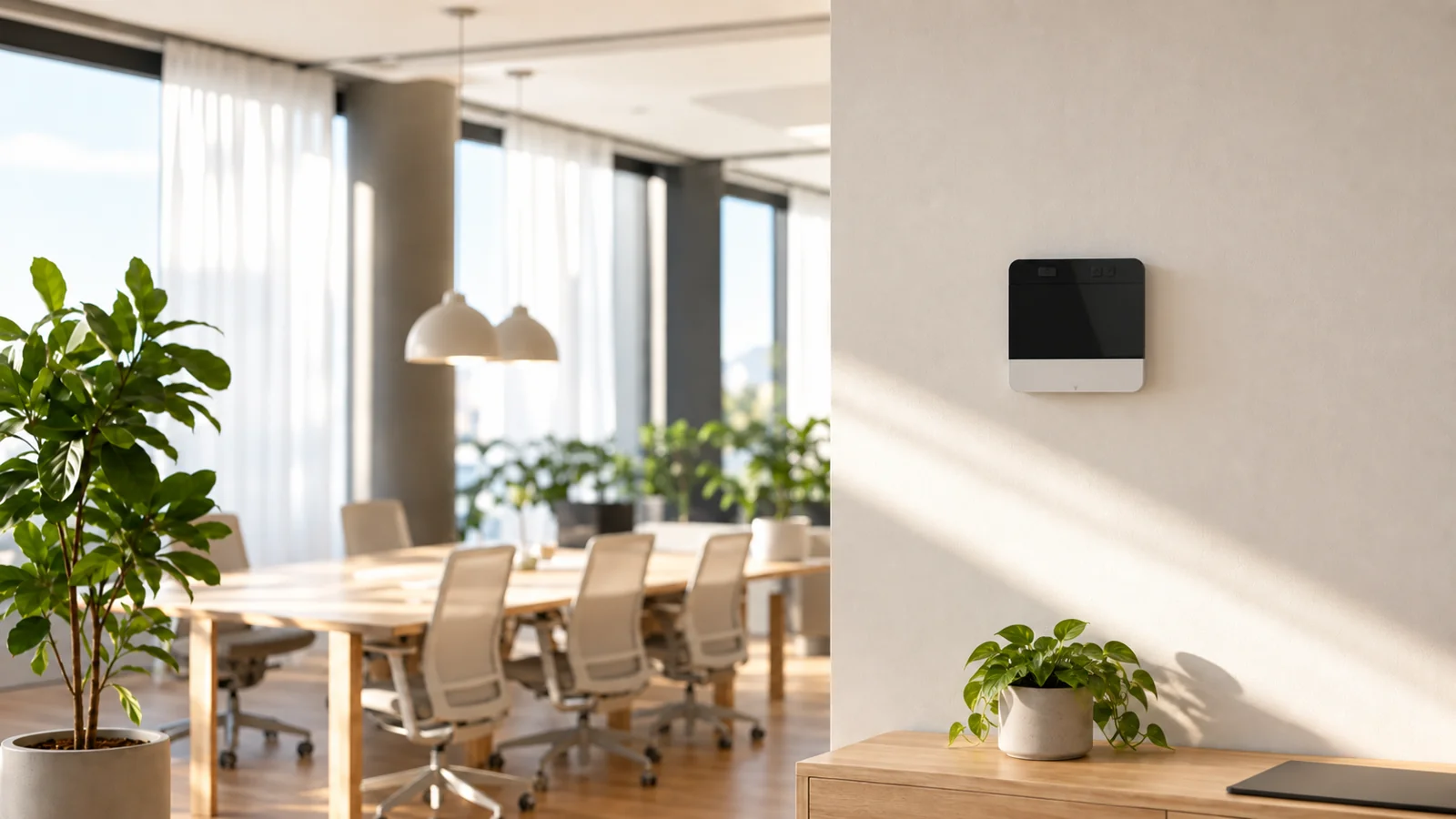
Pulse includes Wi-Fi alongside its instrument modules and cellular configurations. At an indoor monitoring site, this can use existing internet access while retaining a modular sensor arrangement. Record how credentials are provisioned and changed, and test reconnection after the access point restarts. BLE serves local short-range communication roles and should not be assumed to replace an internet service.
Cellular service
Cellular is useful where a site lacks a managed local internet connection. Modem generation, supported bands and operator service must all match. The availability of 2G or 3G is region-dependent and may change; check the actual operator rather than relying on a global technology name.
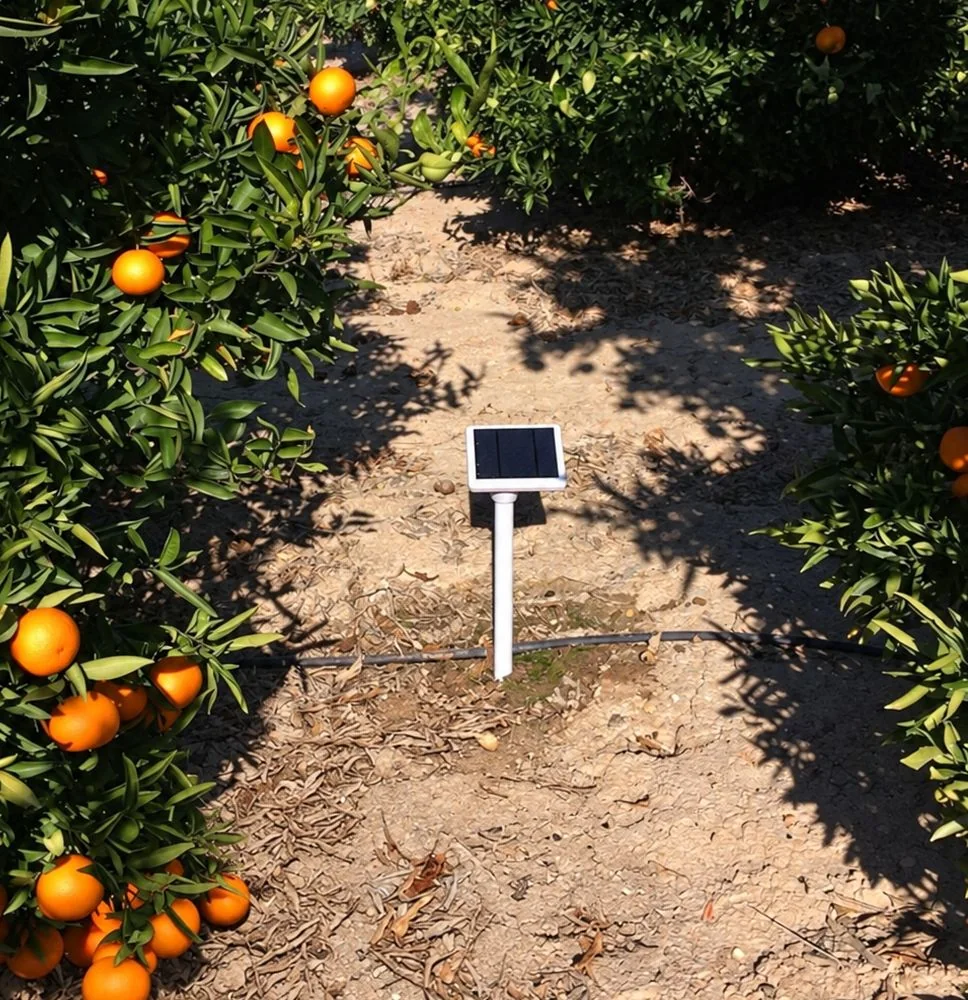
Pulse supports cellular modem configurations across the 2G, 3G and 4G families; the current shop selector offers 2G and 4G. Specify the applicable version explicitly. Pycno Terra Master also offers cellular configurations for soil monitoring and collects compatible Terra Node observations. A Node’s radio connection to the Master is distinct from the Master’s internet connection.
Satellite service
Satellite can provide a connection at sites outside terrestrial coverage through a compatible terminal and service. System design must consider sky visibility, terminal power, antenna installation, message size, transmission frequency and service territory. Short-message satellite systems and broadband terminals have different operating requirements.
Do not infer satellite capability from a gateway’s cellular or LoRa support. Direct satellite functionality is not established for Pulse in the documentation used here. A proposed integration requires confirmation of the terminal interface, application path and power budget. Iridium Short Burst Data is an example of a two-way short-message service rather than a general substitute for every terrestrial network.
Power, outages and commissioning
Communications consume energy as well as subscription capacity. Calculate the complete load, including sensors, acquisition intervals and transmissions. Pulse’s integrated solar panel and battery reduce the number of external components, but seasonal solar conditions and the actual instrument load still determine whether the installation is sustainable.
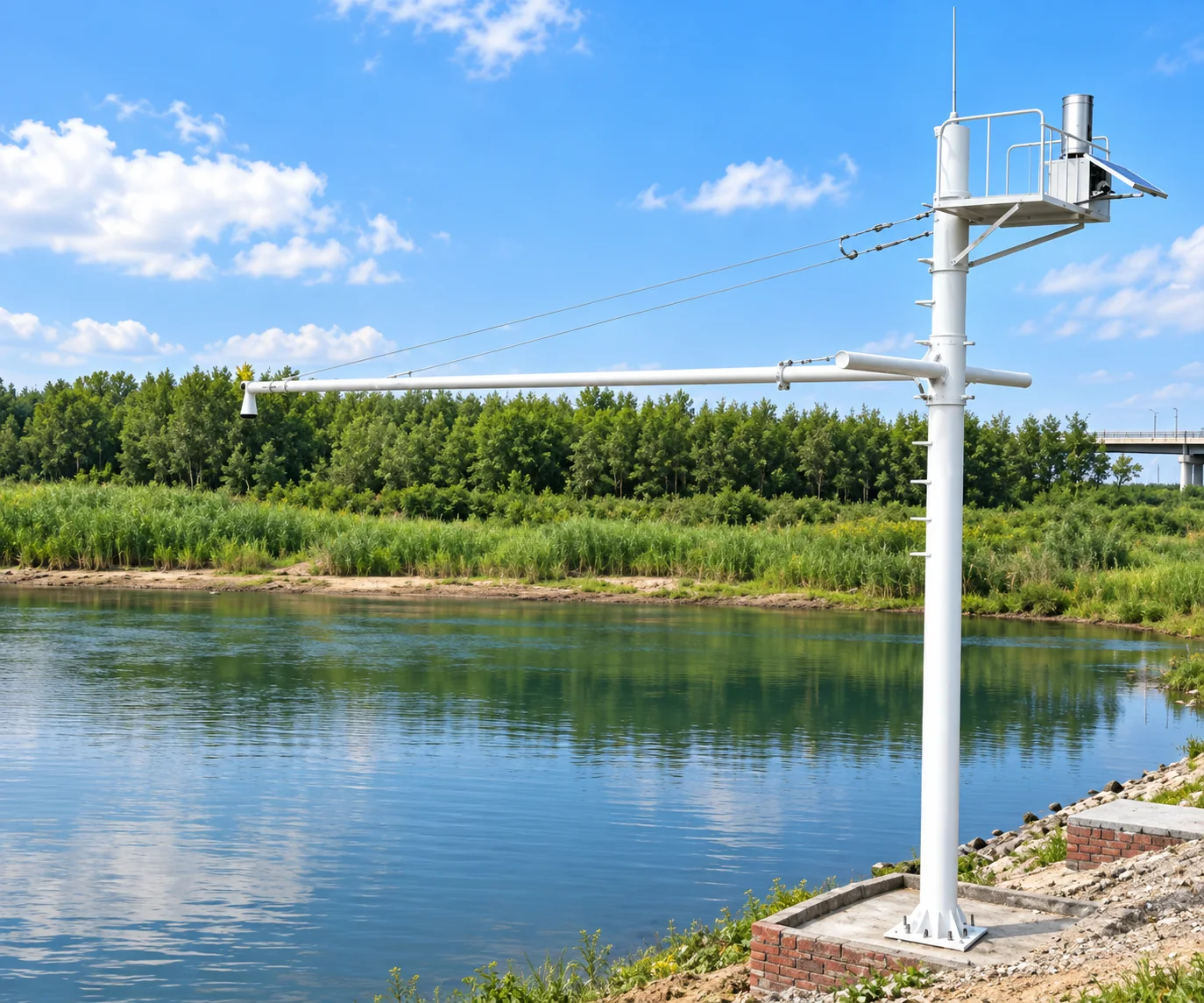
For river or reservoir monitoring, the connection should be specified alongside the level instrument and mounting geometry. Deep Orbital’s radar instrument is a candidate for non-contact measurement; its ordered output and gateway compatibility must be confirmed. Test delivery, clock behavior, restart and outage recovery at the installed location. Keep a record of the selected operator, credentials and maintenance owner.