Overview
LoRaWAN connects compatible low-power radio end devices to applications through gateway and server infrastructure. Its architecture separates radio reception from network management and interpretation of the measurement payload. A successful installation needs all of these functions, whether they run in separate services or are combined in a product.
The distinction is practical: receiving a radio message is not the same as displaying a valid temperature or soil observation. The system must identify the device, process its traffic and decode the payload into the correct quantities and units. Commissioning therefore extends beyond turning on a gateway.
End devices and gateways
An end device acquires measurements or performs another defined action and exchanges radio messages. A LoRaWAN concentrator gateway receives compatible radio traffic and forwards it to the server infrastructure. More than one gateway may receive a transmission; gateway placement affects coverage and resilience.
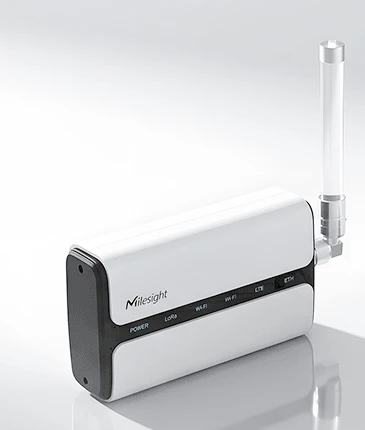
Milesight UG65 is an indoor gateway example with an embedded network server and Ethernet, Wi-Fi and optional LTE connectivity. Its combined functions can reduce the number of separately managed components for a suitable deployment. Select its regional radio and modem variant before assessing coverage at the building.
Network services
The network server manages LoRaWAN traffic and the association between end devices and the application path. Activation and security arrangements depend on the specified LoRaWAN version and deployment. Maintain the required device identities and keys securely, and avoid treating them as ordinary public configuration data.
ChirpStack provides an example of an open network-server implementation. Its documented architecture includes gateway connection components, device management and application integrations. A Gateway Bridge can convert supported gateway traffic to MQTT messages. MQTT in this arrangement is a server transport component; it does not mean that a radio sensor sends native MQTT packets over LoRa.
Applications and data interpretation
The application interprets the measurement payload and makes observations available for display, export or further processing. Obtain a decoder for the exact device and firmware format. A byte sequence without a documented scaling factor can produce a plausible but incorrect value.
Store the device identity, measurement time, units and decoding version with the record. Distinguish a missed transmission from an actual zero reading. Changes to the decoder or sensor configuration should be recorded because they can alter the meaning of a historical series even when the dashboard layout stays the same.
Outdoor infrastructure and alternative systems
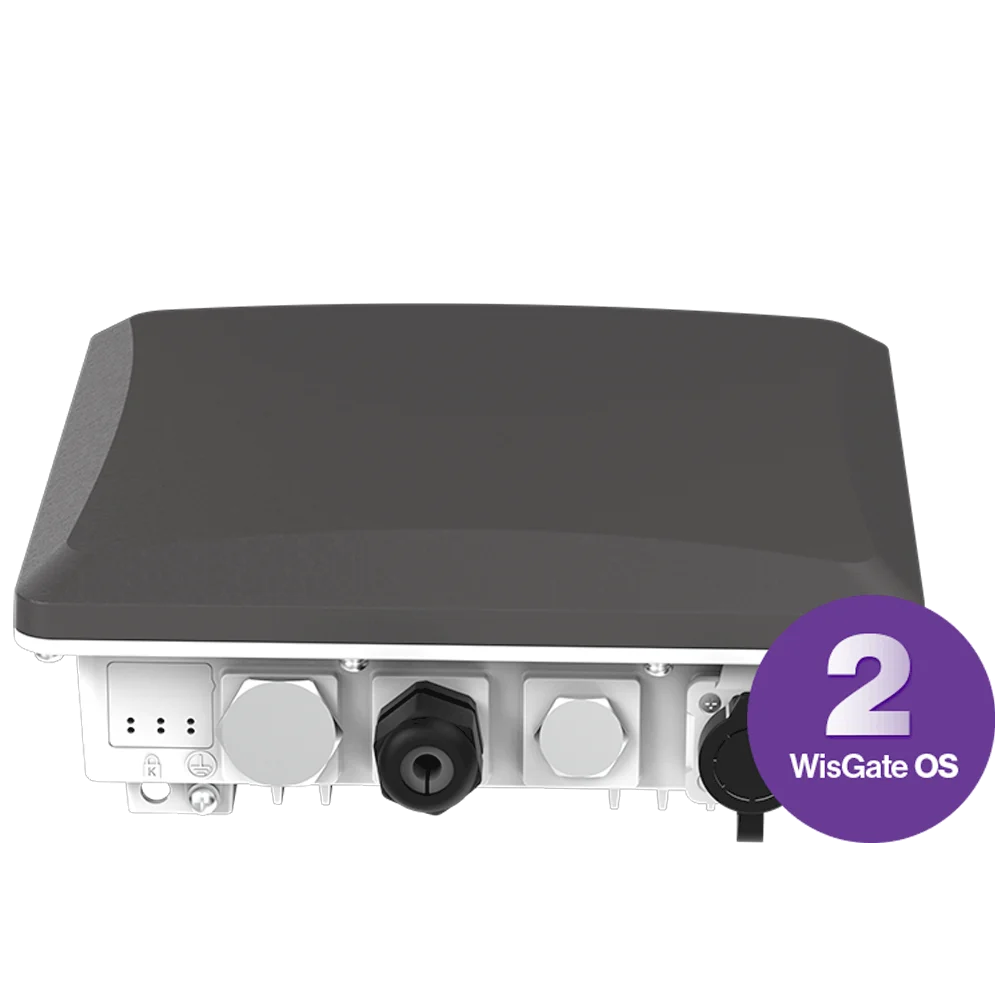
RAK WisGate Edge Pro V2 is an outdoor LoRaWAN infrastructure option. Confirm whether the selected variant includes LTE, the concentrator configuration and the approved power arrangement. Outdoor mounting also requires a site survey and attention to cable protection, antennas and maintenance access.
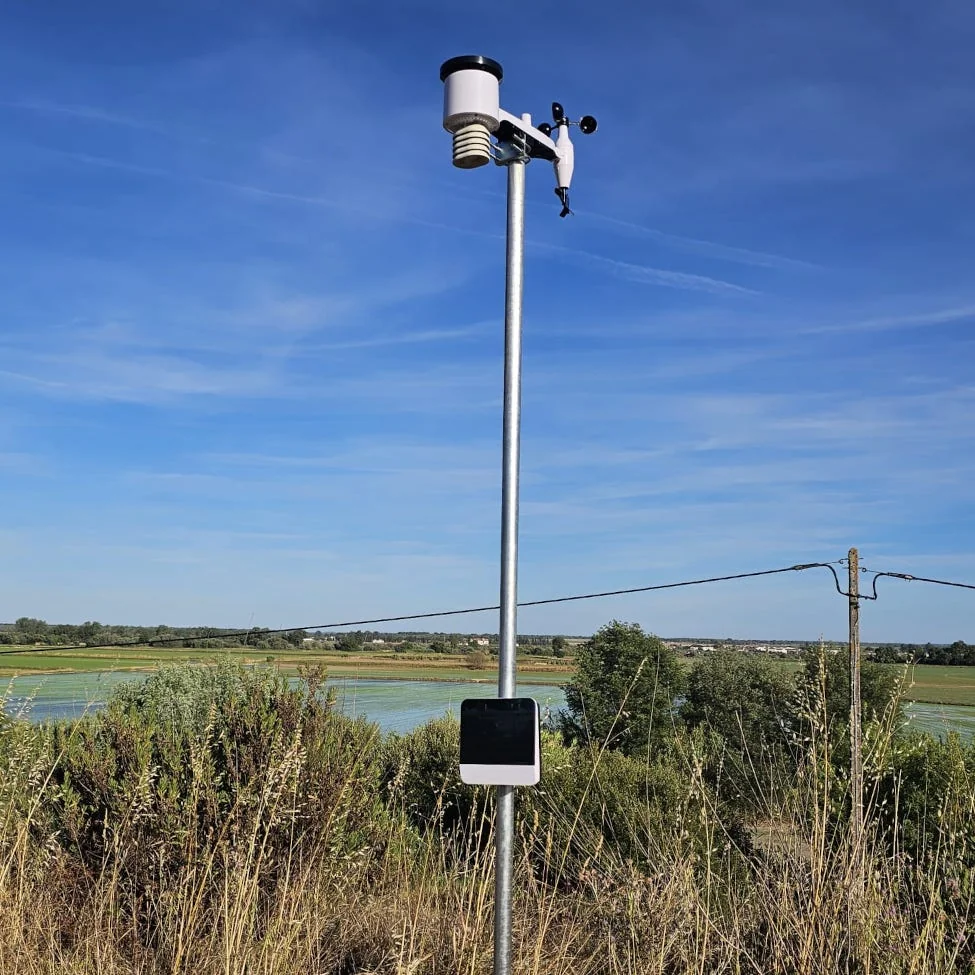
A project using Deep Orbital SKY weather instruments should first check their documented host requirements. A SKY station with Pulse is an integrated weather monitoring arrangement; LoRa radio support alone does not establish that it is a LoRaWAN end device compatible with UG65 or RAK. Pulse’s modular wired inputs are relevant where weather observations are combined with other field instruments.
Commissioning and operation
Commissioning records should identify the radio region, gateway, network server, end-device activation method and application decoder. Verify an observation against the instrument’s local or reference value, then test restart and internet interruption. Check how late or duplicate records are represented in the application.
Assign ownership for firmware, credentials, server updates and subscriptions. Downlink traffic and radio capacity are constrained resources, so avoid assuming that frequent remote commands behave like a wired connection. Choose LoRaWAN where compatible low-power devices and managed network infrastructure fit the project; investigate a Pulse and supported sensor arrangement where mixed instrument integration is the central requirement.